

| Seismic Approach to Quality Management of HMA MnDOT Contract No. 1034287 Federal Project Number: TPF-5 (341) Execution: January, 2020 - December, 2021 |
 | |  | |  | |  | |  | |  | |  | |  |
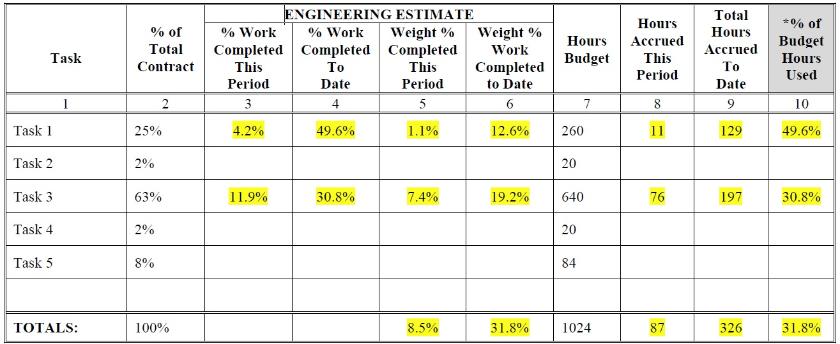
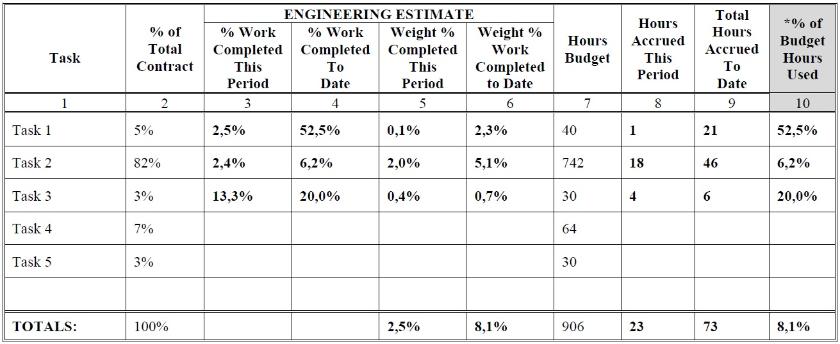
| PROJECT PROGRESS (May, 2020) |
Summary
- Acquisition System Being Constructed (16-bit max. 96-channel AD converter)
The system is under construction and scheduled for a field test in June-July by using the MEMS microphone receiver array used for
SYS-RYD-2019.
- Software Approach to Attenuate Air Waves (Continued Development)
- Direct air (sound) waves generated at and coming from the impact point are the most troublesome noise for the microphone
measurement of leaky-mode Lamb waves that have to be suppressed by means of both acquisition and post-acquisition efforts. In
previous summary of the development, several different multichannel data-processing approaches were considered for their
effectiveness in attenuating the air waves (noise) while preserving the Lamb waves (signal) as mush as possible. They included fk-
filtering, muting, and fk-muting approaches. They all turned out having pros and cons for the final goal of velocity (Vs) and thickness
(H) evaluation of the HMA layer. This indicates all of them can be useful in different combinations under different condition of the
acquired data; e.g., data with a low SN ratio vs. a high SN ratio, etc.
The methodological development further continued to come up with a more effective approach based on the linear-move-out (LMO)
approach. This report summarizes a new successful approach that uses a moving-window LMO stack to attenuate the air wave event of
a specific propagation velocity (e.g., 334 m/s). Test results with synthetic and real field data sets indicate the effectiveness is superior
over the previous conventional approaches (e.g., fk, mute, etc.), especially for the Impact Echo (IE) method that can evaluate the
thickness (H) independently from the analysis of propagating waves. This part of the result (IE) will be reported in next summary report.
- TDMS Data Format
- Although it seems to contain unnecessary components that can slow down data transmission speed between the hardware and the
onboard software modules, the TDMS format will be condered for possible adoption after evaluating its structural format.
Project Tasks | Summary (see details)
- Task 1: Project Management and Administration
Task 2: Hardware Development (Seismic Data Acquisition System) & Testing
Task 3: Software Development & Testing
Task 4: Delivery and Demonstration of Seismic Data Acquisition System and Software
Task 5: Final Report
Year 1 (2020):
Year 2 (2021):
 |  |  |  |  |  |  |  |  |  |  |  |

 |  |