

| Seismic Approach to Quality Management of HMA MnDOT Contract No. 1034287 Federal Project Number: TPF-5 (341) Execution: January, 2020 - December, 2021 |
 | |  | |  | |  | |  | |  | |  | |  |
| PROJECT PROGRESS (April, 2020) |
Summary
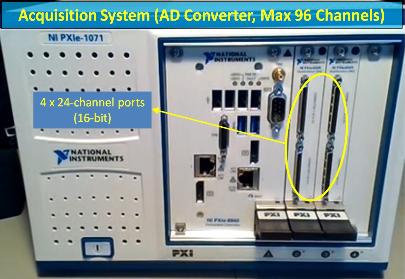
- Acquisition System Being Constructed (16-bit max. 96-channel AD converter)
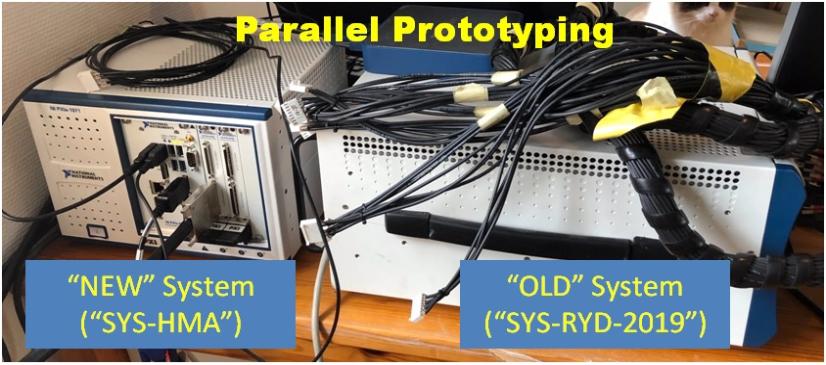
Building the first (and the main) hardware component (AD converter) has started. It is the NI PXI System that can acquire a maximum of
96 channels with a 16-bit dynamic range. Description of the component items and corresponding specifications are listed here. It is
"parallel prototyped" by referencing to the previous system developed for a similar project at Lund University (LTH) in 2019 ("SYS-RYD-
2019") (see photo below). The new system is more compact in size and lighter in weight. It consists of four (4) 24-channel ports
allowing a maximum of 96-channel acquisition. However, only 64 channels will be used for this project. It will also include additional
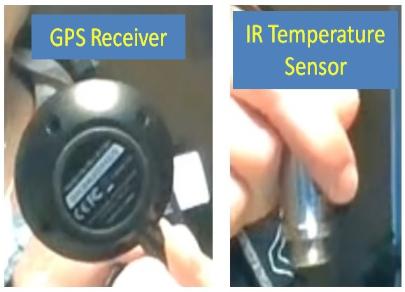
capacities of recording GPS coordinates and temperature of the HMA surface at the measurement points. The GPS receiver and infra-
red (IR) temperature sensor are shown in a photo below.
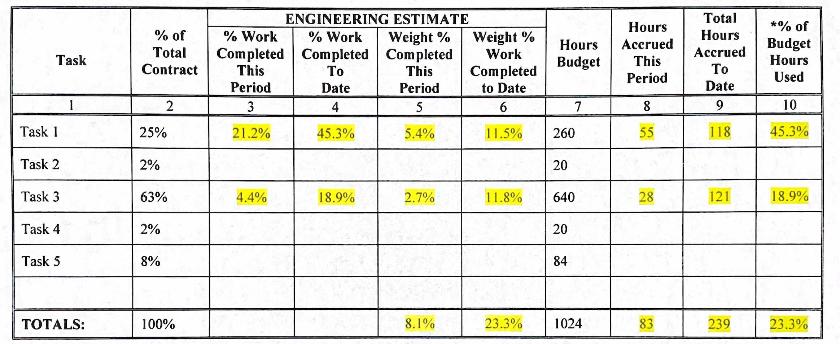
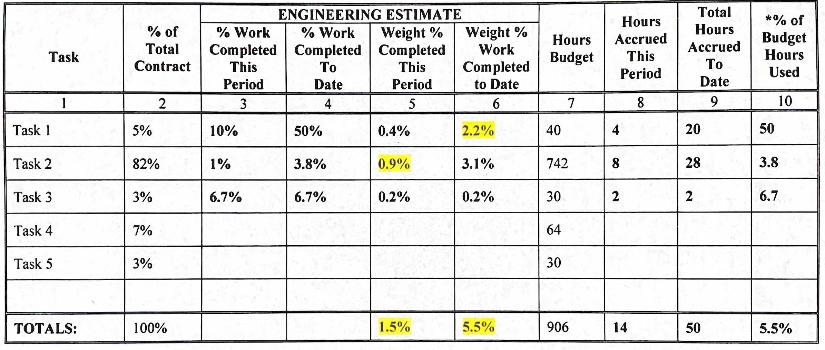
Project Tasks | Summary (see details)
- Task 1: Project Management and Administration
Task 2: Hardware Development (Seismic Data Acquisition System) & Testing
Task 3: Software Development & Testing
Task 4: Delivery and Demonstration of Seismic Data Acquisition System and Software
Task 5: Final Report
Year 1 (2020):
Year 2 (2021):
 |  |  |  |  |  |  |  |  |  |  |  |
- Software Approach to Attenuate Impact-Generated Sound Wave
When using microphones as receiver to record the leaky-mode surface waves that are "leaked" from the HMA pavement surface, all
ambient sound waves are also recorded as noise. The most troublesome sound wave is the one generated at the time of impact. It is
always generated when an impact is applied on the pavement surface to generate seismic (surface) waves and it is very strong in
comparison to the level of signal seismic waves as shown in Figure 1 below. If not properly handled, it can cause a low signal-to-noise
(SN) ratio at the high-frequency part of seismic signal (e.g., > 20 kHz) that can ultimately lead to a reduced accuracy in the evaluated
frequencies (e.g., 1-10 kHz) that is critically important to accurately evaluate the thickness (H) of the pavement layer. Therefore, it is
rucialcomparison to the level of signal seismic waves as shown in Figure 1 below. If not properly handled, it can cause a low signal-to-
noise to reduce the level of this type of sound wave not only at the time of data acquisition but also during the data analysis steps.c
This is especially important when dealing with an HMA pavement (rather than a concrete pavement) because of the more significant
attenuation of seismic waves occurring with the HMA pavement as noticed in Figure 1b. A possible effort to reduce the level at the time
of data acquisition has been outlined in one of the documents from previous month's progress.
Description of the test results obtained by using different software approaches is provided here.
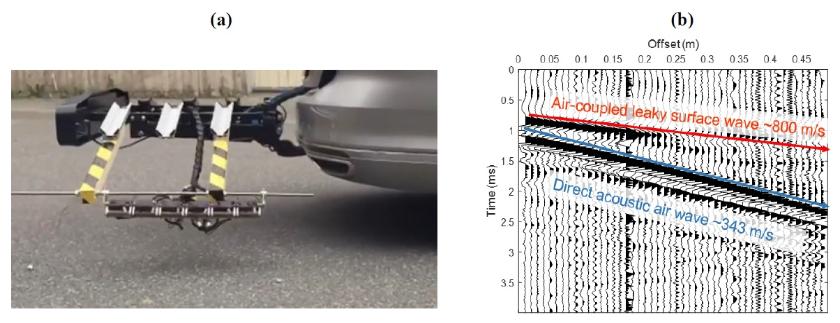
| Figure 1. (a) 48 channel MEMS microphone array and (b) acoustic data recorded while driving at 30 km/h. (From Ryden et al., 2019) |

 |  |